
Inhabit the Threshold
Or: how to save a marriage


My husband and I have theories on divorce.
Imagine a scale from zero to one hundred. One hundred is your personality on your very best day - your kindest, most charming, lovable self.
Zero is your personality on your absolute worst day.
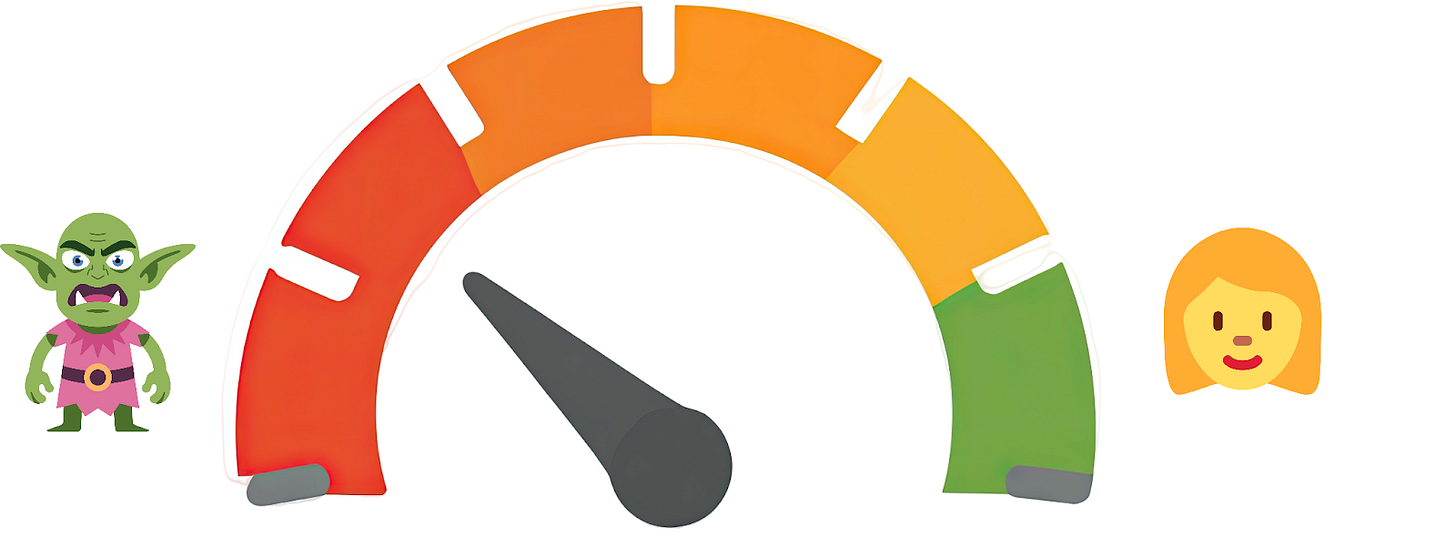
Every day - every minute of the day - you’re moving between numbers on this scale.
There are good days, bad days, and medium days. There are days where you wake up an angel and become a demon by lunch.
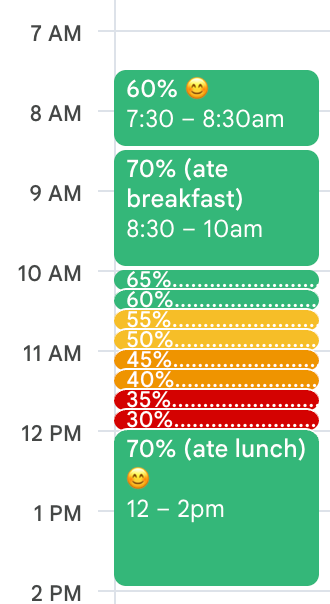
Your partner is moving up and down on this scale too, as you no doubt have already noticed.
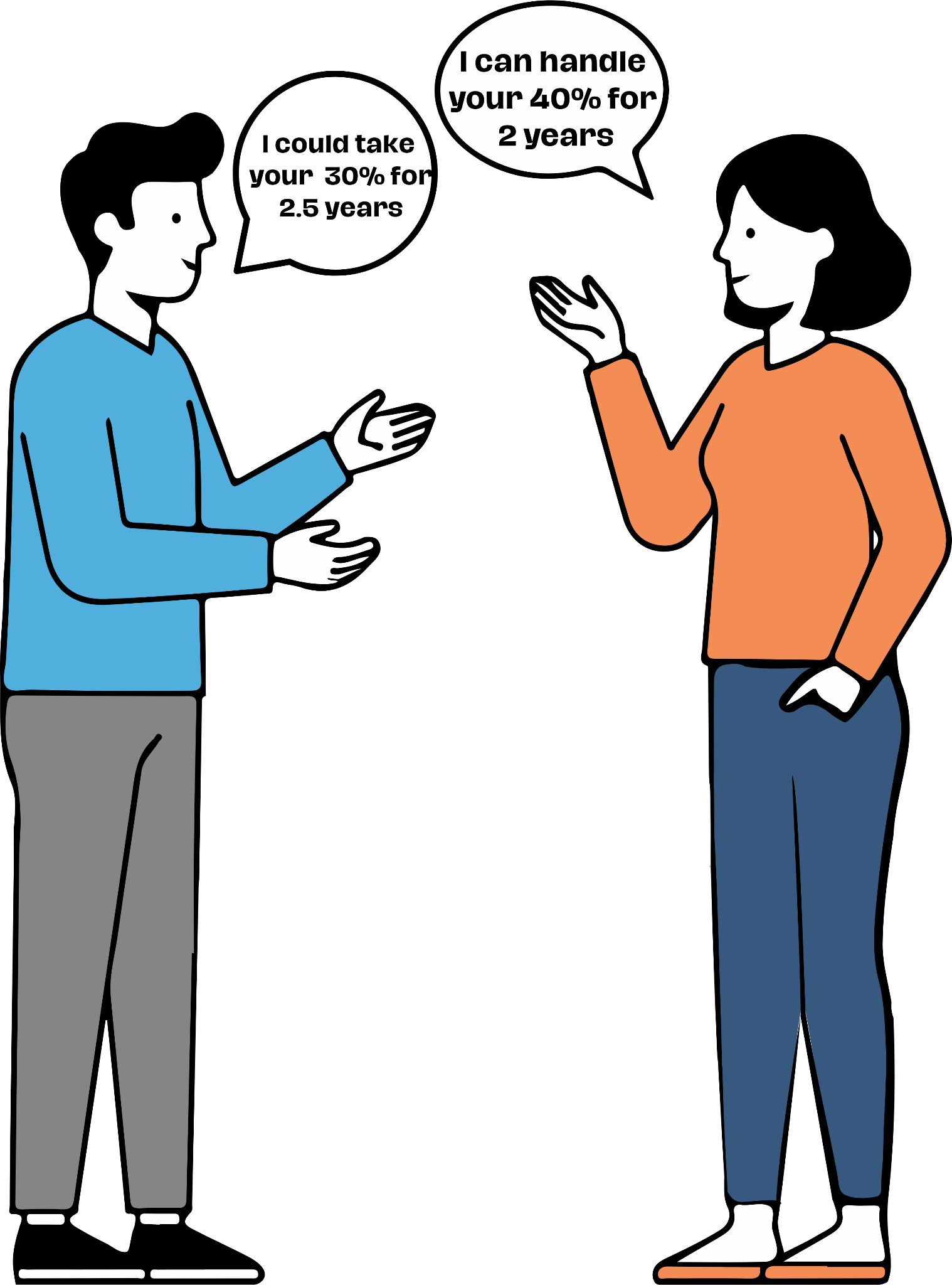
My husband thinks everyone has a threshold. When you get married, you would absolutely stay with the 100% version of your partner. Their kindest, best self? Who wouldn’t.
But you probably didn’t sign up to live a life with the worst version of your partner. Maybe you’d stay with the 30% version for a few years. Or the 10% version for several months.
But everyone has a threshold.
Life stressors can bring you down on the scale long-term. Have a kid? That knocks off 20 points from your baseline, easily. That’s especially true in the first few months, when sleep is hard to come by.
Financial hardships, illnesses, each of those also have the potential to chip away at your personality taking you point by point, year by year on a slow descent toward the threshold.
So what are we supposed to do?
That’s where my theory comes in: habits.
After I had my first child, my husband and I started bickering like never before. Small miscommunications we once would have laughed at became cause for days of fighting. I assumed this was just part of the unspoken deal of parenting.
Then we got our habits in order.
It started with communication habits, learning the skills to pause a fight and come back to it in the morning. Or to interact as minimally as possible in the middle of the night when a baby wakes up.
Then we layered in logistics habits, using productivity systems to free up our mental load and reduce chaos.
And then came the Big Three: finally, finally investing in the magic cocktail of sleep, nutrition, and exercise that allowed us to be present with one another and actually enjoy time together again.
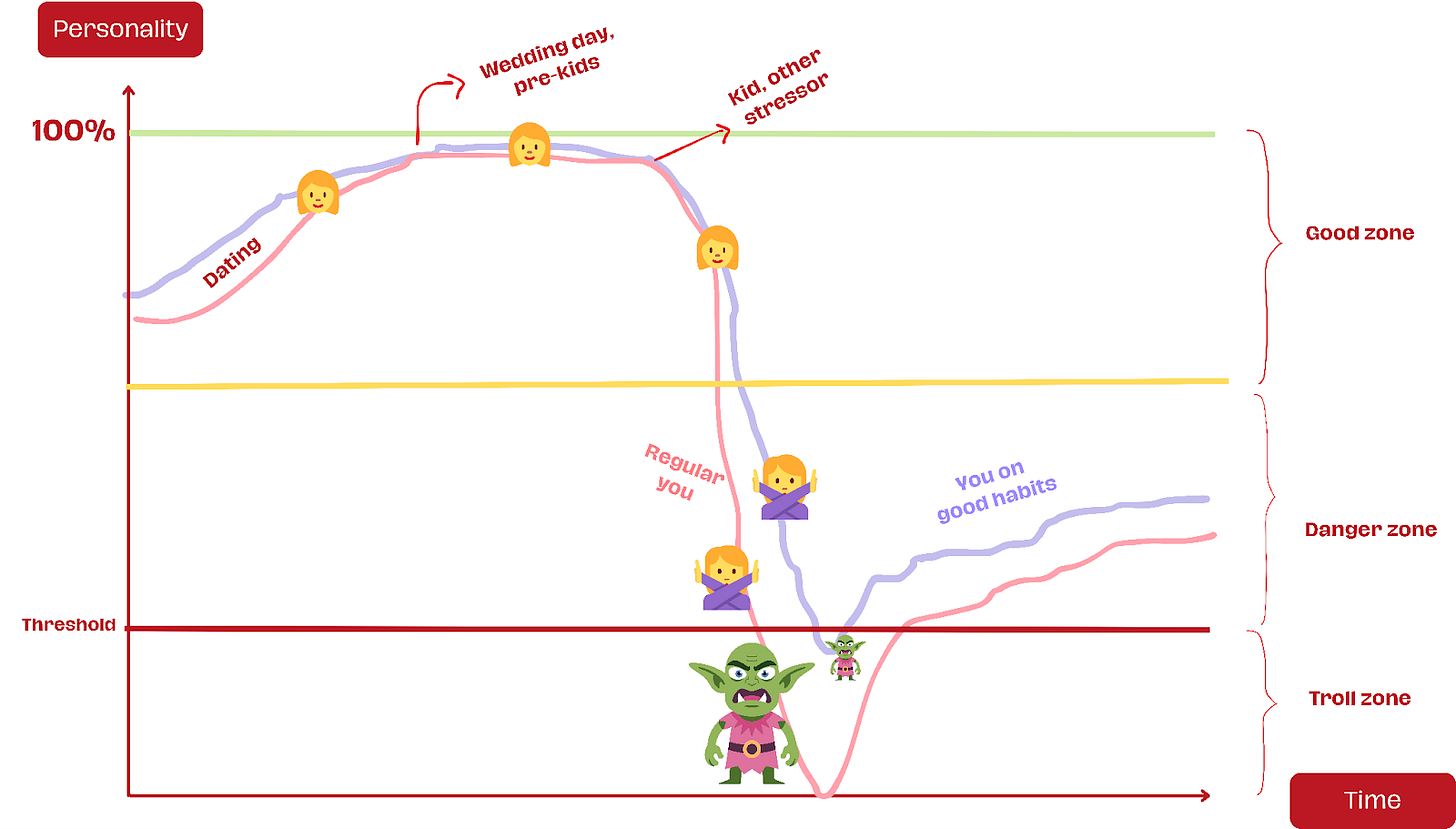
To me, habits are not a side quest. They’re the whole thing. They’re the difference between thriving relationships and relationships that are sort of skating by. They’re the difference between seeing my kids (or family members, or friends) and actually enjoying my kids (or family members, or friends).
They’re the things we do regularly and unthinkingly to support sleep or undermine it, to ensure our baseline energy is receptive instead of reactive, our communication patterns clear and kind. To raise the ceiling of our personalities and generously pad the floor.
That way when the life stressors come (and they will come), the drop is less steep. The time spent underwater is shorter. And the roadmap to finding our way back above the threshold is written out, waiting for us when we’re ready to get back on track.
Every year, some of us will make New Year’s resolutions. Some years, if we do what the research tells us, those habits may actually stick.
Make sure they’re the ones that matter.
Yours in habit,
Julie
PS: If you want to consider New Year’s resolutions from a relationship-first mindset, consider The Check-Up: a reflection exercise to help you do just that.
So cool that there was a link to this article in the 1440 Newsletter!
You're such a great writer! I love how thoughtful and nuanced and vulnerable this piece is - as well as having a clear view! The idea of having good habits being a type of responsibility to care for ourselves and marriages/friendships etc is powerful! Thanks for writing!